On 23rd August 2026 Organo Kandawada, where 15 families gathered not for a lecture on the environment, but for a hands-on experience that quietly taught its own lessons — in botany, in ecology, in patience, and in the value of asking good questions.
It's a reminder of what learning can look like when it's rooted in real soil instead of a book.
A Walk Worth Taking
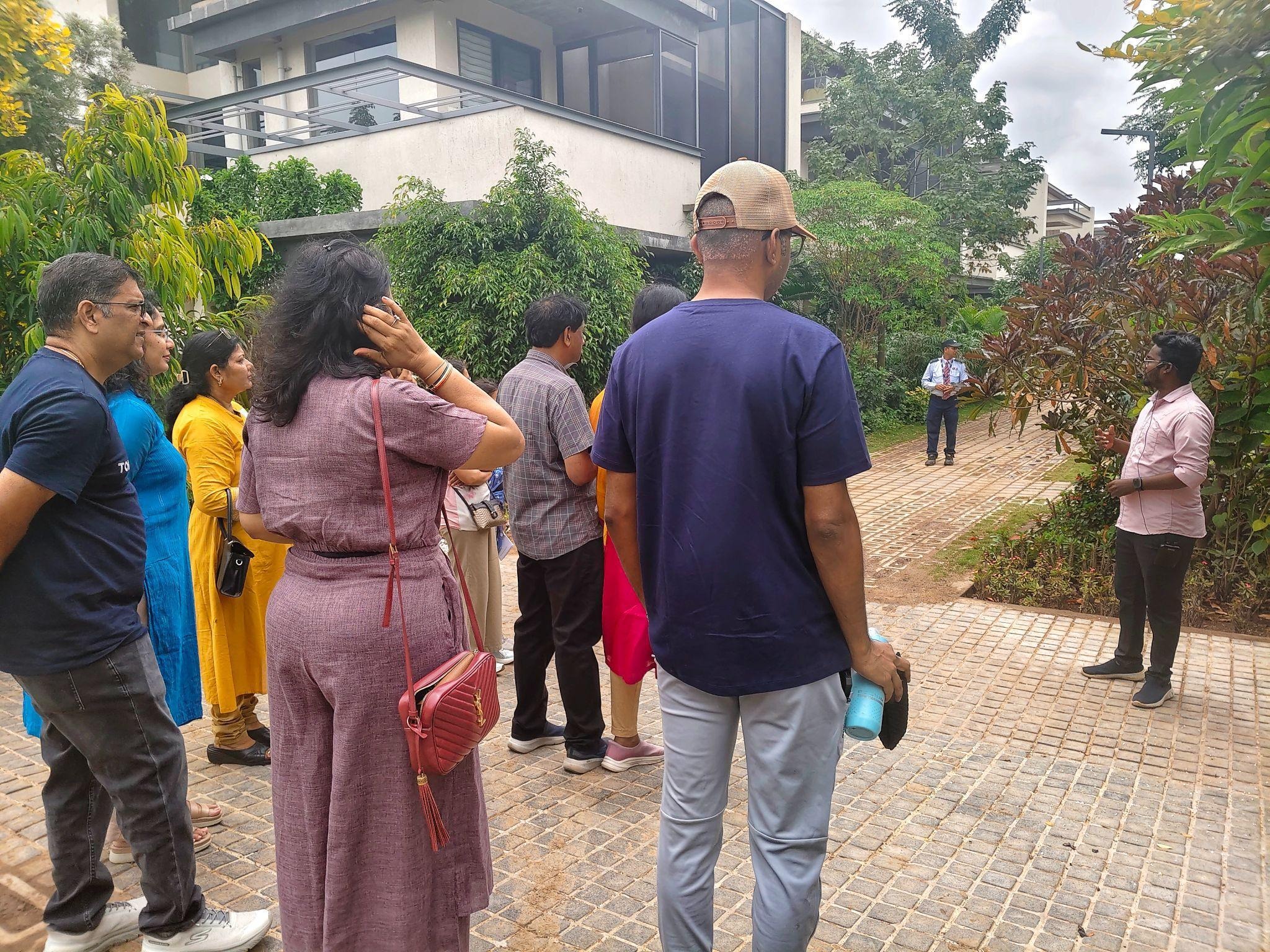
The day began with an expert-led walk. Horticulturists Jagadeesh and Prudhvi led participants along the cycling track, pointing out tree species planted on either side and explaining why each one mattered — for the soil, for local wildlife, and for the wider ecosystem. By the time the group reached the plantation drive area, they weren't just ready to plant. They were ready to understand what they were planting, and why it mattered.
Planting with Purpose
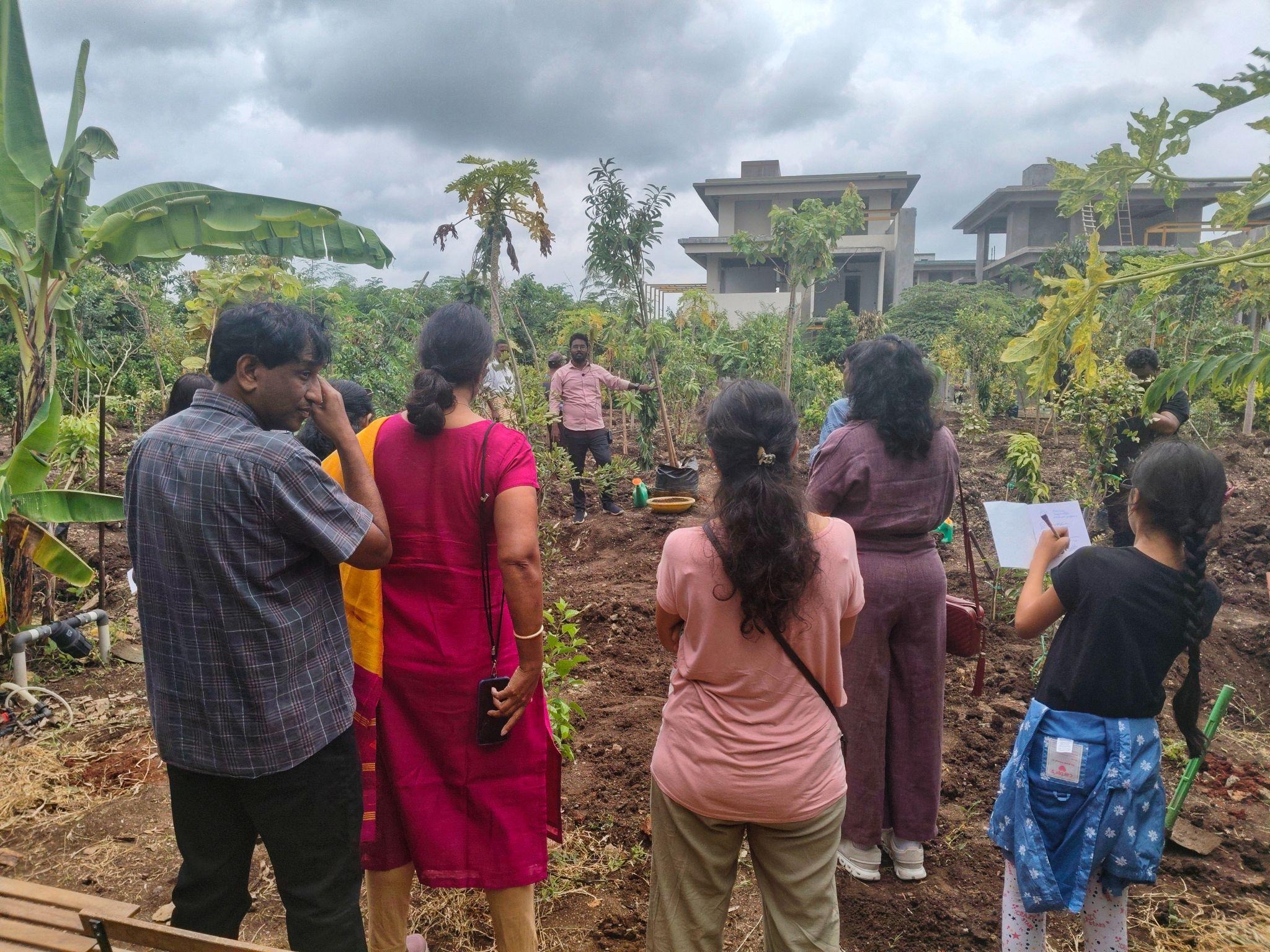
Families didn't just plant — they learned the story behind each tree before it went into the ground. Among the species planted were the Pink Ball Tree, known for its giant pom-pom-like clusters of pink flowers that draw in bees and pollinators, and the Bottlebrush Tree, whose bright red, brush-shaped blooms attract sunbirds and thrive even in poor soil.
The Cannonball Tree was a favourite talking point, with its unusual hard, round fruit growing straight out of the trunk rather than the branches — a sacred species often planted near temples. Participants also planted the Lucky Bean Tree, whose seeds have traditionally been strung into protective necklaces for children, and the Indian Bay Leaf, prized in Indian kitchens for the aromatic "tej patta" used in biryanis and curries.
Rounding out the drive were fruiting species like Litchi and Rambutan — both closely related, both prized for their sweet flesh hidden beneath a tough, textured skin.
Each tree became a small case study — a lesson in biology, geography and culture, all taught by the tree itself.
Exploring Natural Farming Practices
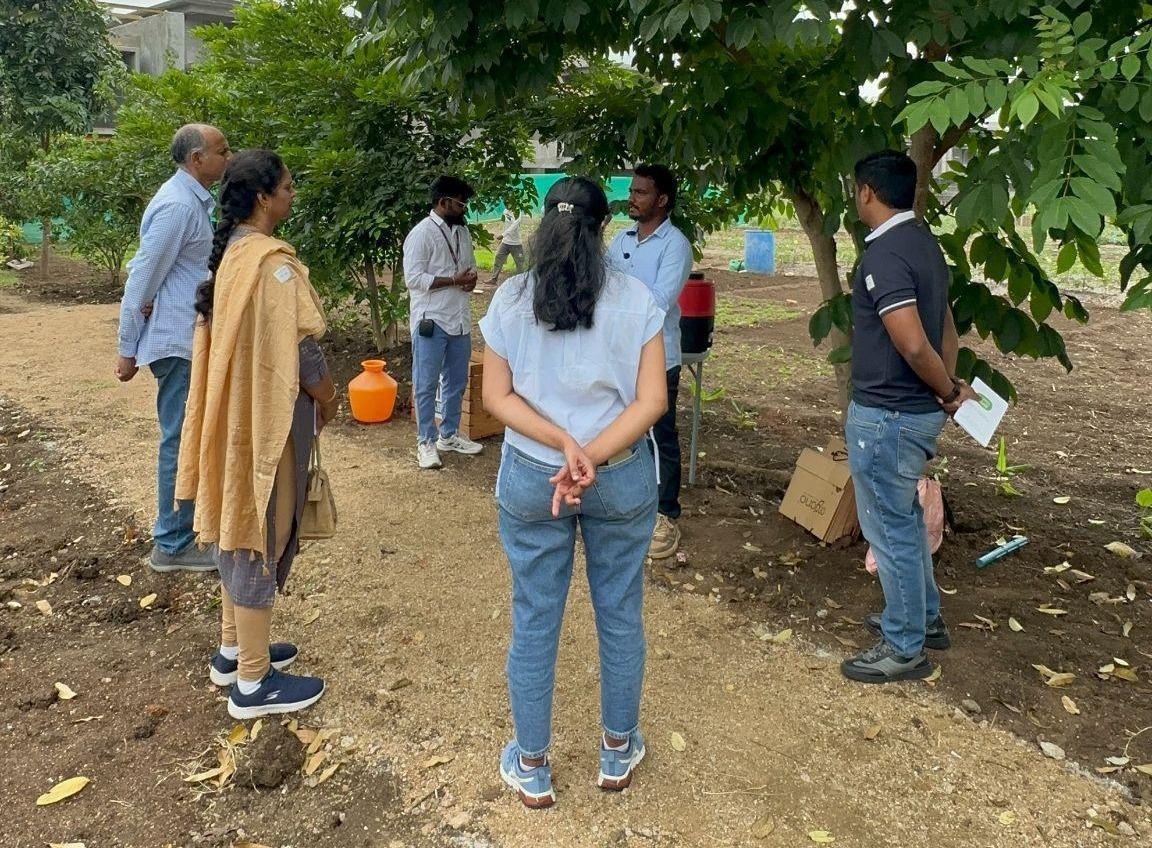
Beyond the planting itself, the day sparked deeper conversations about how natural farming actually works. Families were curious to understand practices like Jeevamrutham, Kashayam, natural pesticides and bio-fertilisers, asking questions about how these methods nourish the soil, support healthy plant growth, and reduce dependence on chemical inputs.
These conversations went beyond simply naming what's used on a farm — participants wanted to understand why these practices matter, and how they help build a healthier relationship between soil, plants and people. It's the kind of inquiry-driven curiosity that's hard to manufacture, but emerges naturally when people are simply present in the field.
Textures of the Day
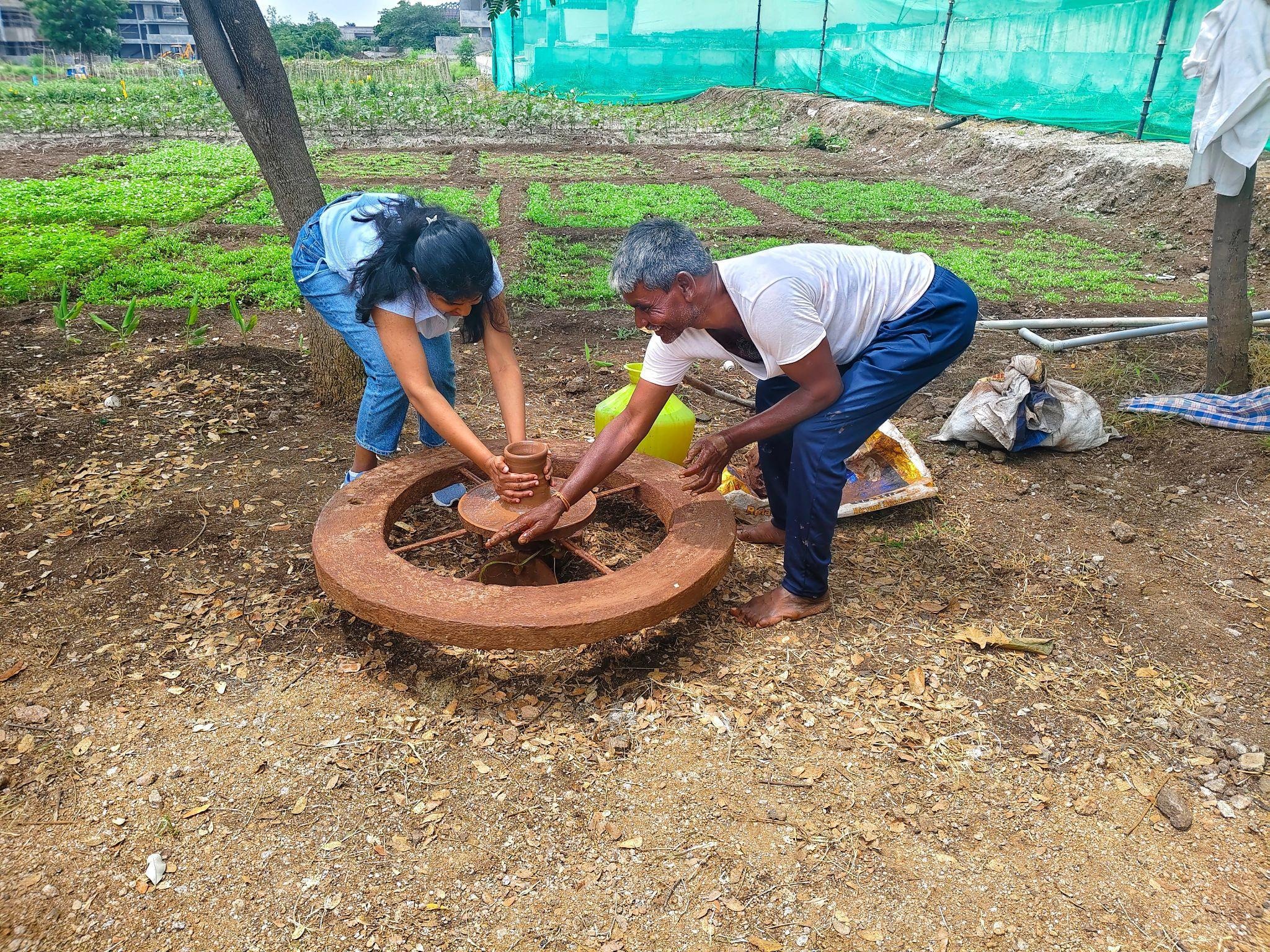
The day also included a pottery session, where participants shaped and moulded clay — a tactile experience that mirrored the morning's work with soil.
This was followed by a palak and coriander harvesting and seed sowing activity, giving families another chance to put their hands in the earth — first harvesting fresh palak and coriander, then sowing seeds of their own choosing.
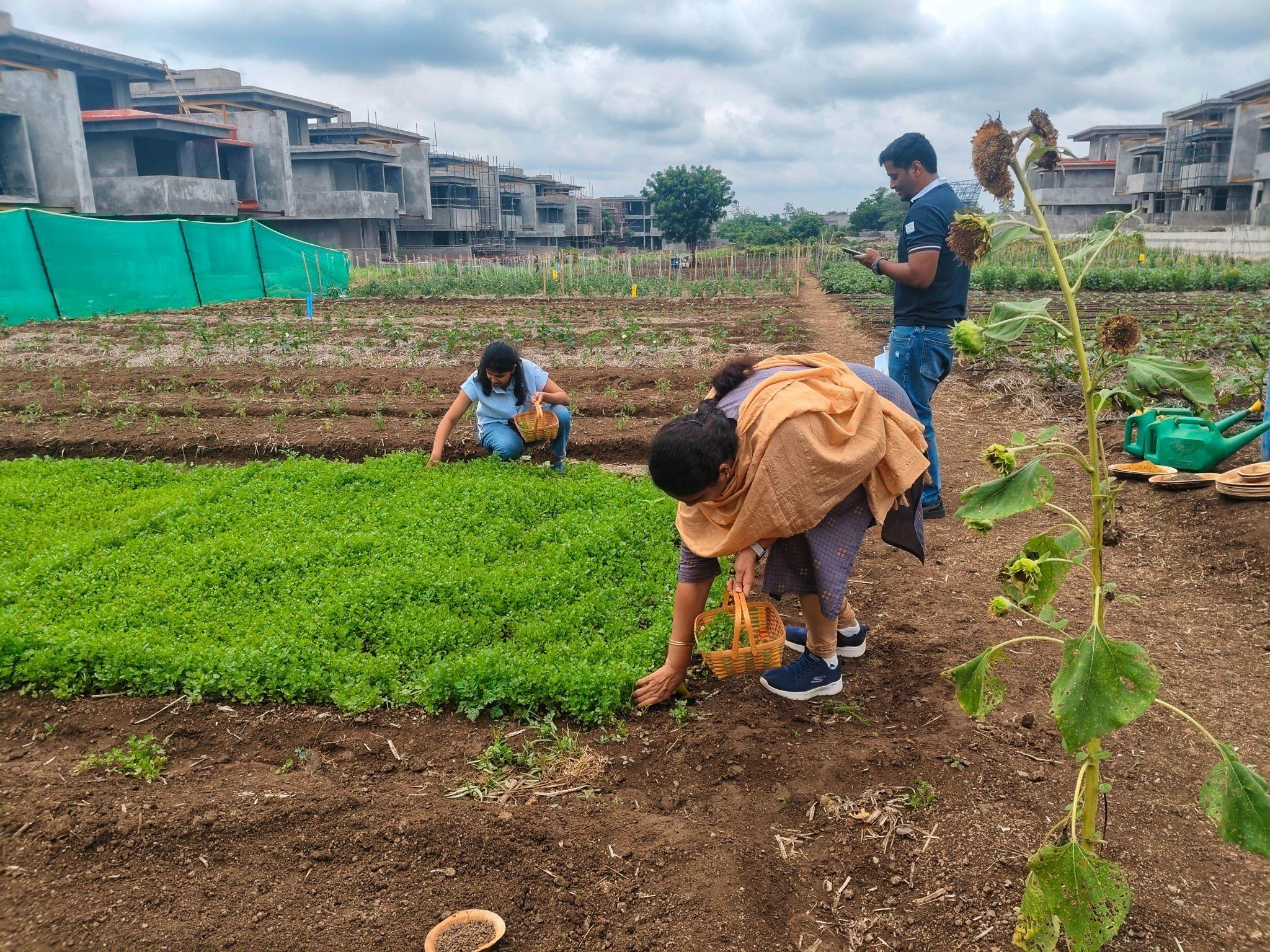
Between planting saplings, shaping clay, harvesting greens, and sowing seeds, the day offered four different ways to connect with the same idea: that growth takes patience, care and a willingness to start small.
A Day Rooted in Learning
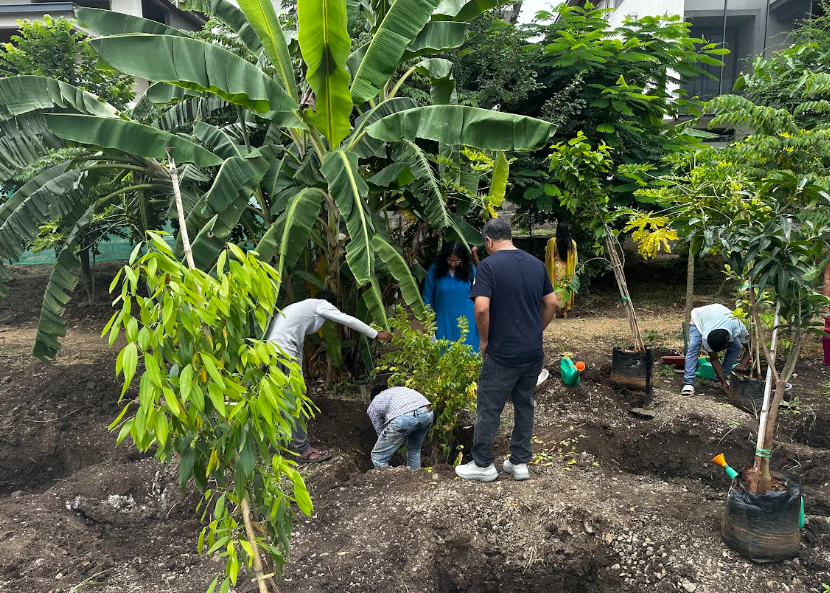
The plantation drive at Organo Kandawada showed that caring for the environment doesn't have to be complicated. It can be as simple as learning a tree's name, planting a sapling, or asking one good question about the soil beneath our feet.
At Organo Et School, we believe that when communities plant together, the impact reaches far beyond that single day. Each tree becomes a small, living reminder of the people who planted it — and every conversation about soil, seeds and natural farming plants an idea that can grow just as steadily as the trees themselves, carried home and shared with others long after the event ends.
About Organo Et School (OES)
Organo Et School empowers people to embrace eco-living mindsets, behaviors, and habits. We recognize that for any positive impact to be sustainable, it must be long-term and inter-generational.
UNESCO recognized Organo Et School as a green citizen initiative and Uplink, the open innovation platform of the World Economic Forum (WEF) recognized OES as Global Innovative Solution.
Organo Et School is an experiential learning initiative set up by Organo in 2017 and has been facilitating field visits and workshops for Schools and Interest Groups. Organo Et School has impacted over 12,500+ students, 5000+ adults,1,600+ families, 40+ schools, 35+ communities, 10+ corporates over the past 8 years.
Join us on our journey toward sustainable living by subscribing to our channel and following us on Instagram for the latest updates.
Email us at oes@organo.co.in or call us at 91541 00775
Subscribe to our Youtube channel: https://www.youtube.com/channel/UCVe5InTKtgyGsGgNVNZ5sOw
Follow OES news on our Website: https://www.organoetschool.co.in
Follow OES on Instagram: https://www.instagram.com/organo_et_school/?hl=en
.png&&description=Trees, Roots and Stories: Organo Kandawada's Family Plantation Day)