What if sustainability in a classroom begins not with a lesson plan, but with a simple daily action — switching off a light, reusing paper, or caring for a classroom plant?
This idea formed the foundation of an engaging and reflective Early Years Sustainability Workshop conducted at Pallavi International School, Gandipet, in collaboration with Organo Et School (OES).
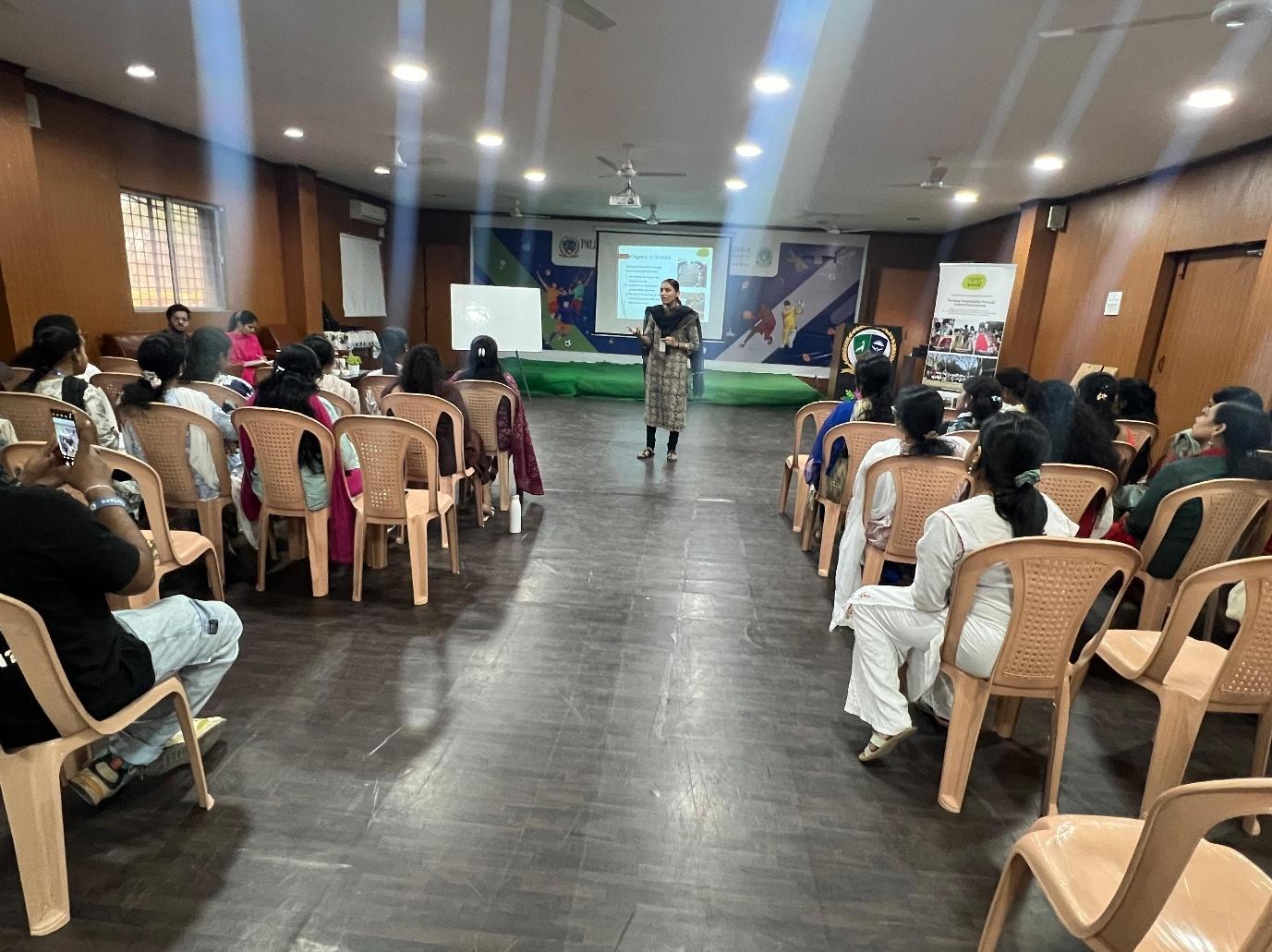
The session brought together 35 passionate educators who explored how sustainability can become a natural and meaningful part of early childhood learning.
The workshop was facilitated by Ms. Kalyani and Ms. Sarita from Organo Et School, who guided teachers through thoughtful discussions, experiential activities, and practical classroom strategies designed to nurture environmentally conscious habits from an early age.
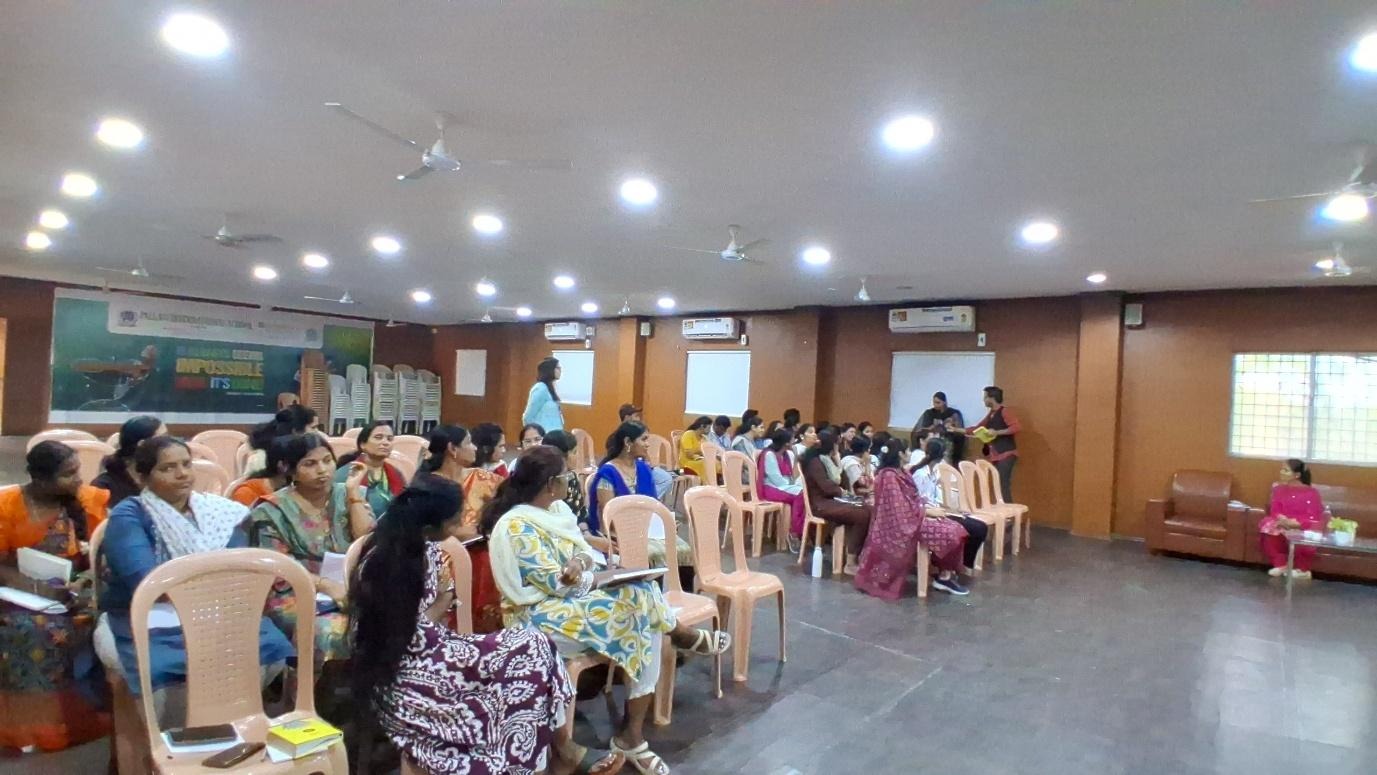
The session began with a powerful reflection on the role of educators in shaping young minds. Teachers discussed how children in their formative years learn more through observation and repetition than through formal instruction. Sustainability, therefore, is not something children simply study — it is something they experience through everyday routines and behaviours modeled around them.
Making Sustainability Meaningful for Young Learners
A key focus of the workshop was simplifying sustainability for early years classrooms. Teachers explored how concepts such as saving water, reducing waste, mindful consumption, and caring for nature can be introduced through simple and relatable classroom experiences.
The workshop also highlighted how sustainability can be seamlessly integrated across subjects rather than taught as a separate topic. Educators reflected on how storytelling, art, numeracy, music, and play-based learning can all become opportunities to nurture environmental awareness and empathy.
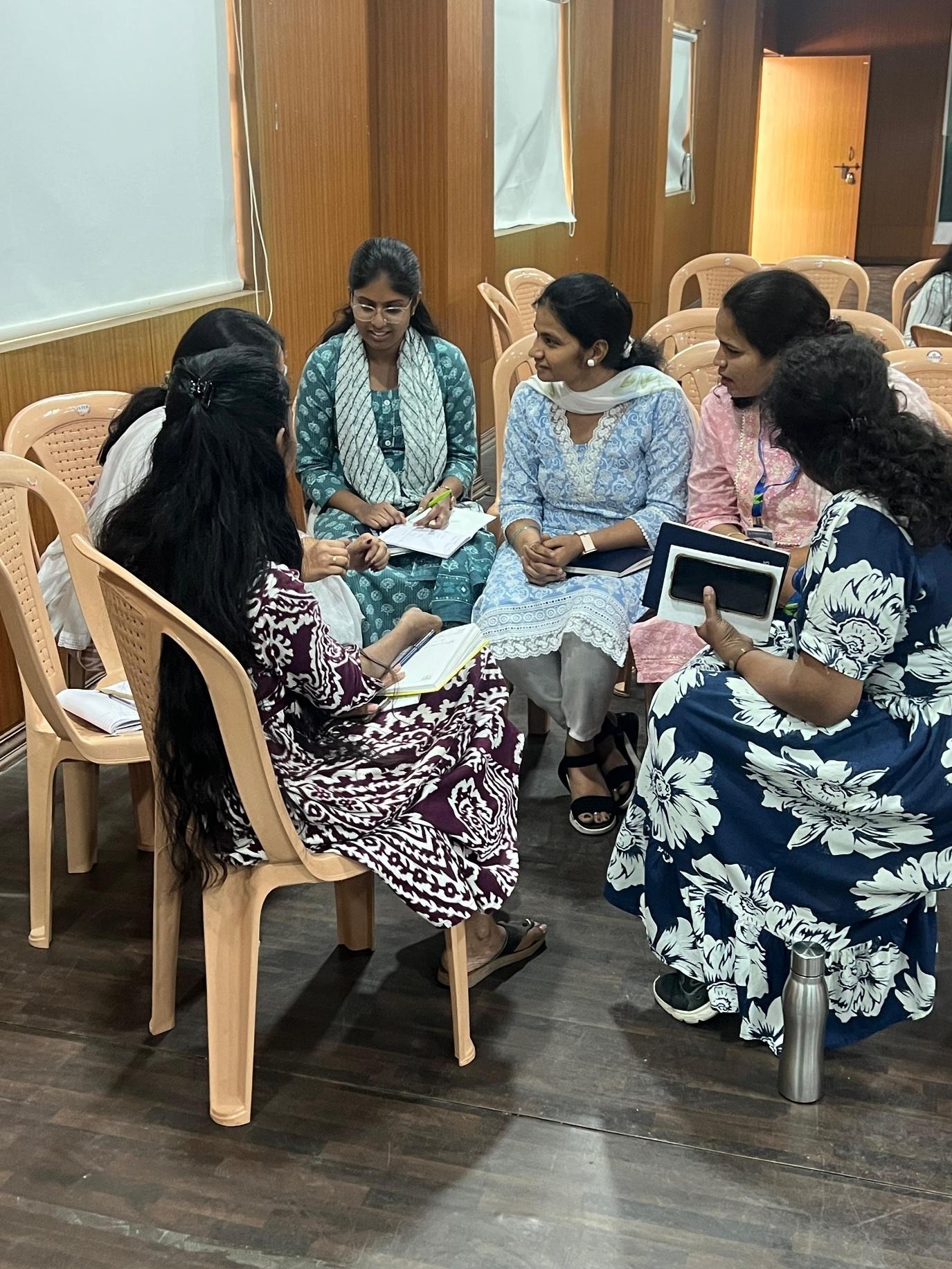
Interactive activities encouraged participants to observe everyday classroom practices through a sustainability lens. Teachers collaboratively brainstormed ideas such as waste segregation systems, eco-friendly classroom routines, nature-based activities, and mindful use of resources that could be practically implemented within their learning environments.
Building a Culture Through Everyday Actions
One of the most meaningful conversations during the session centered around culture-building within schools. Teachers reflected on the idea that children absorb values not only through instruction, but through what they consistently see adults practice.
The workshop reinforced that sustainability in early education is not about adding more content to the curriculum. Instead, it is about creating classrooms where care, responsibility, mindfulness, and respect for the environment become part of daily life.
The session concluded with reflection and action planning, where educators identified small but impactful changes they could begin implementing in their classrooms immediately.
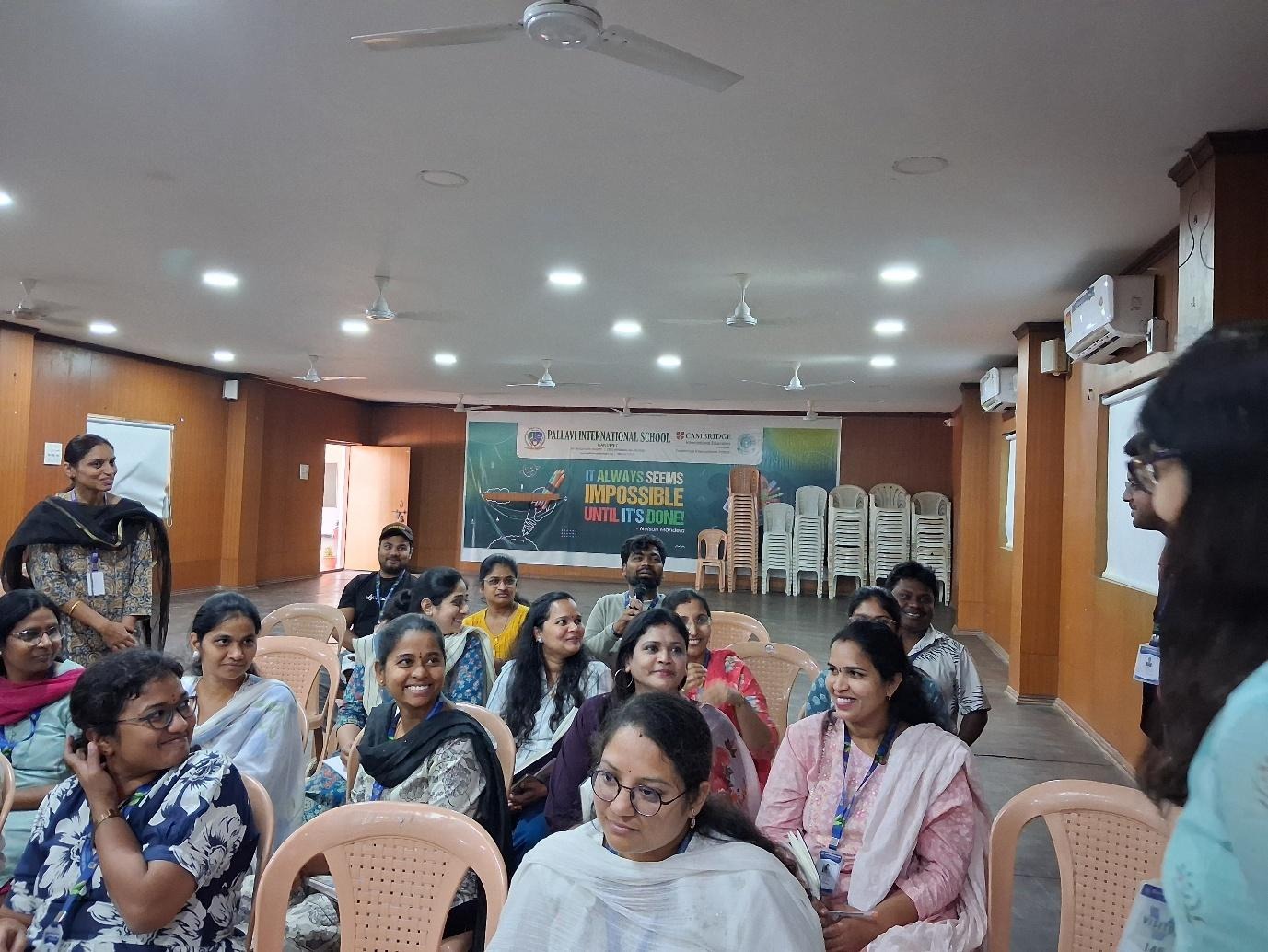
The workshop at Pallavi International School, Gandipet marked another meaningful step towards building learning spaces where sustainability is not just discussed, but lived through everyday experiences.
UNESCO recognized Organo Et School as a green citizen initiative and Uplink, the open innovation platform of the World Economic Forum (WEF) recognized OES as Global Innovative Solution.
Organo Et School is an experiential learning initiative set up by Organo in 2017 and has been facilitating field visits and workshops for Schools and Interest Groups. Organo Et School has impacted over 12000+ students, 5,000+ adults,1,500+ families, 45+ schools, 25+ communities, 10+ corporates, 200+ teachers trained over the past 8 years.
Join us on our journey toward sustainable living by subscribing to our channel and following us on Instagram for the latest updates.
Email us at oes@organo.co.in or call us at 91541 00775
Subscribe to our Youtube channel: https://www.youtube.com/channel/UCVe5InTKtgyGsGgNVNZ5sOw
Follow OES news on our Website: https://www.organoetschool.co.in
Follow OES on Instagram: https://www.instagram.com/organo_et_school/?hl=en