What if a festival could do more than bring people together? What if it could also help children discover the trees around them, reconnect families with traditional foods and inspire a deeper relationship with nature?
At Organo Antharam, Green Golu 2026 brought this idea to life from 11 to 21 October 2026. Building on the previous edition, the celebration brought together India's cultural traditions, plant diversity, festive flavours and experiential learning, creating an opportunity for residents, children, families and visitors to connect with nature in a meaningful way.
Inspired by the traditional Golu, or Bommala Koluvu, Green Golu reimagines the festive display by bringing plants into the heart of the celebration. Alongside the familiar festive arrangements, the plants invite visitors to explore their cultural significance, everyday uses and ecological value.
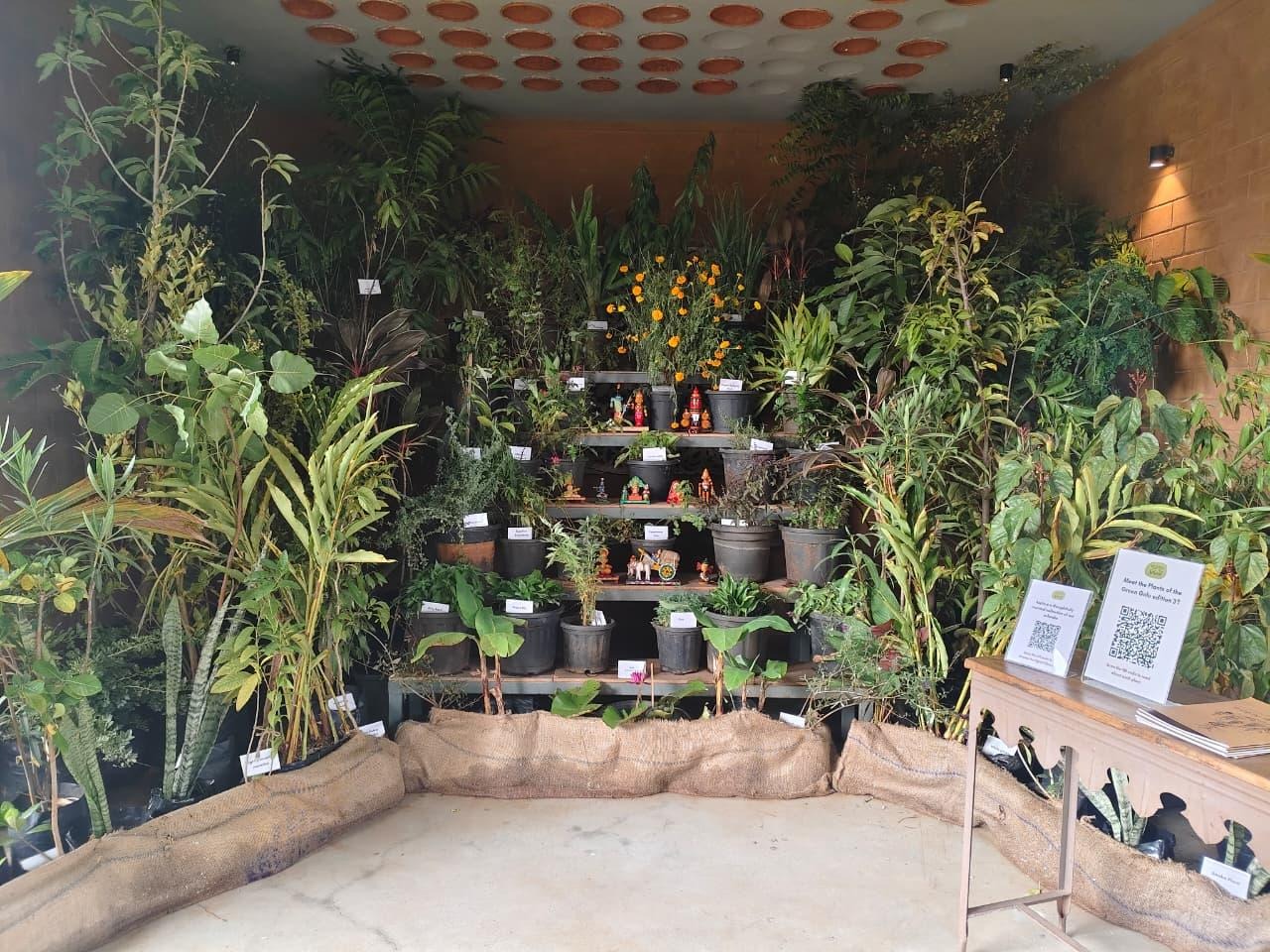
Green Golu 2026 featured some plants like Bilva, Ashoka, Amla, Drumstick and Indian Bay Leaf, each reflecting a different aspect of India's rich botanical heritage.
Bilva holds a special place in Indian spiritual traditions, while Ashoka is associated with Indian literature and cultural heritage. Amla is valued in traditional food practices, the Drumstick tree is a familiar source of nutritious leaves and pods, and Indian Bay Leaf adds flavour to many traditional dishes.
Together, these plants remind us that nature is closely woven into our cultural practices, kitchens, home gardens and everyday lives. For children, they offer an opportunity to discover familiar plants in new ways; for adults, they provide a chance to revisit traditional knowledge and share it with the next generation.
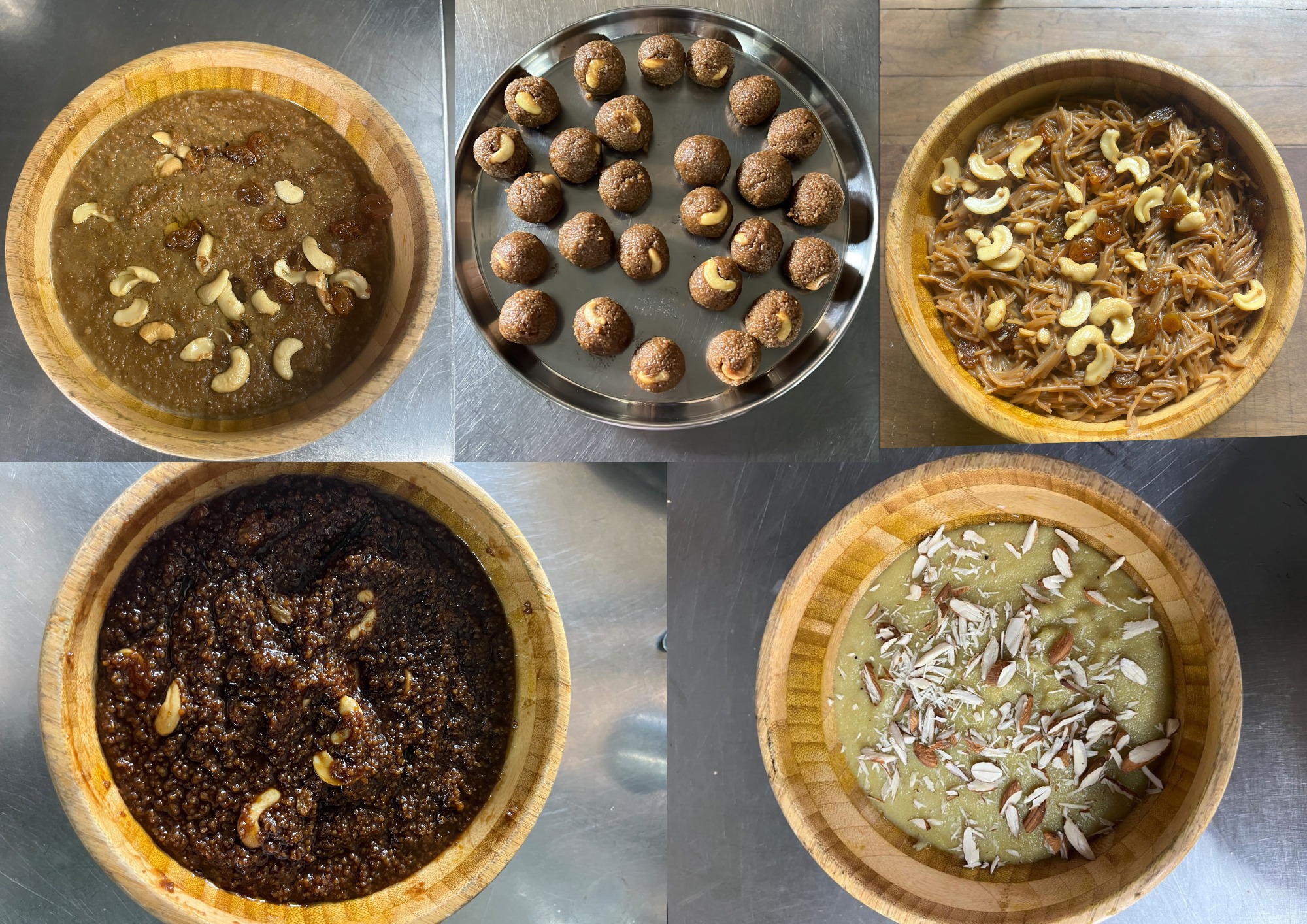
No Indian festival feels complete without prasadam. At Green Golu 2026, the offerings included semiya payasam, rava kesari, millet payasam and millet laddu, adding warmth and familiar festive flavours to the celebration.
The millet-based preparations also brought attention to traditional grains that have been cultivated and consumed in India for generations. They offer a simple way to start conversations about local food traditions, agricultural diversity and the connection between what we grow and what we eat.
Food is one of the most accessible ways to understand our relationship with nature. Every ingredient has a story that begins with the soil, the seed and the people who cultivate it. Green Golu creates space to appreciate these connections while celebrating the joy of sharing food and traditions.
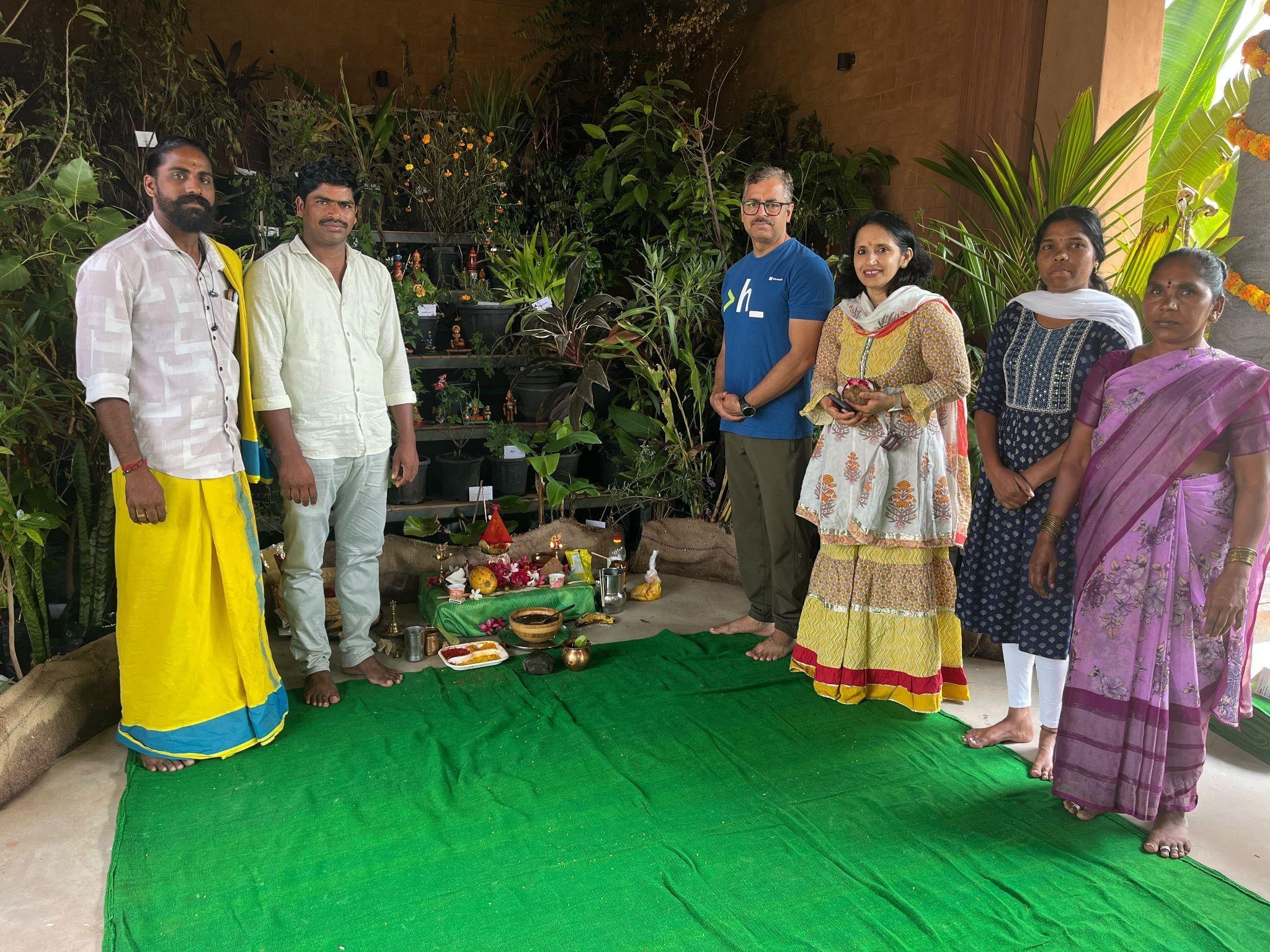
At Organo Et School, learning is most meaningful when people can observe, experience and connect with the world around them. Green Golu reflects this philosophy of Sustainability Through Experiential Learning (STEL), turning a cultural celebration into an engaging opportunity for discovery.
A child encountering an Amla plant may wonder where the fruit comes from. A family admiring a Bilva plant may share its cultural significance. A conversation about millet payasam may lead to questions about traditional grains and farming.
These small moments can nurture curiosity, strengthen intergenerational connections and encourage a deeper appreciation of biodiversity. For parents, educators and school leaders, Green Golu demonstrates how familiar cultural celebrations can become valuable learning spaces—connecting children with nature without losing the joy and spirit of the festival.
Growing a Living Legacy at Antharam
Green Golu is envisioned as an evolving tradition that continues beyond the festive days. Building on earlier editions, the long-term vision is to work towards a collection of 108 sacred plants of India, bringing together species with cultural, ecological and traditional significance.
The initiative also looks beyond the display itself. The intention is to integrate suitable plants into the landscape of Organo Antharam, wherever feasible, allowing them to continue growing and becoming part of the living environment.
In this way, plants that bring meaning to a festive celebration can become lasting features of the landscape—offering future opportunities for observation, learning and care.
Celebrating Living, One Tradition at a Time
Green Golu 2026 reminds us that environmental awareness does not always begin with a formal lesson. Sometimes, it begins with a plant in a festive display, a traditional sweet, a story shared by an elder or a child's simple question.
Through this initiative, Organo Et School continues to explore how cultural traditions can inspire environmental learning, community engagement and conscious living.
Green Golu is more than a festive display. It is a celebration of our roots, our relationship with nature and the traditions we carry forward—one plant, one story and one generation at a time.
Organo Et School empowers people to embrace eco-living mindsets, behaviors, and habits. We recognize that for any positive impact to be sustainable, it must be long-term and inter-generational.
UNESCO recognized Organo Et School as a green citizen initiative and Uplink, the open innovation platform of the World Economic Forum (WEF) recognized OES as Global Innovative Solution.
Organo Et School is an experiential learning initiative set up by Organo in 2017 and has been facilitating field visits and workshops for Schools and Interest Groups. Organo Et School has impacted over 12,500+ students, 5,500+ adults,1,600+ families, 40+ schools, 16+ communities, 10+ corporates over the past 8 years.
Join us on our journey toward sustainable living by subscribing to our channel and following us on Instagram for the latest updates.
Email us at oes@organo.co.in or call us at 91541 00775
Subscribe to our Youtube channel: https://www.youtube.com/channel/UCVe5InTKtgyGsGgNVNZ5sOw
Follow OES news on our Website: https://www.organoetschool.co.in
Follow OES on Instagram: https://www.instagram.com/organo_et_school/?hl=en
.jpeg&&description= Green Golu 3rd edition at Organo Antharam: Where Culture Meets Nature)