Turn on a tap, and water comes out. But where was that water before it reached the tap?
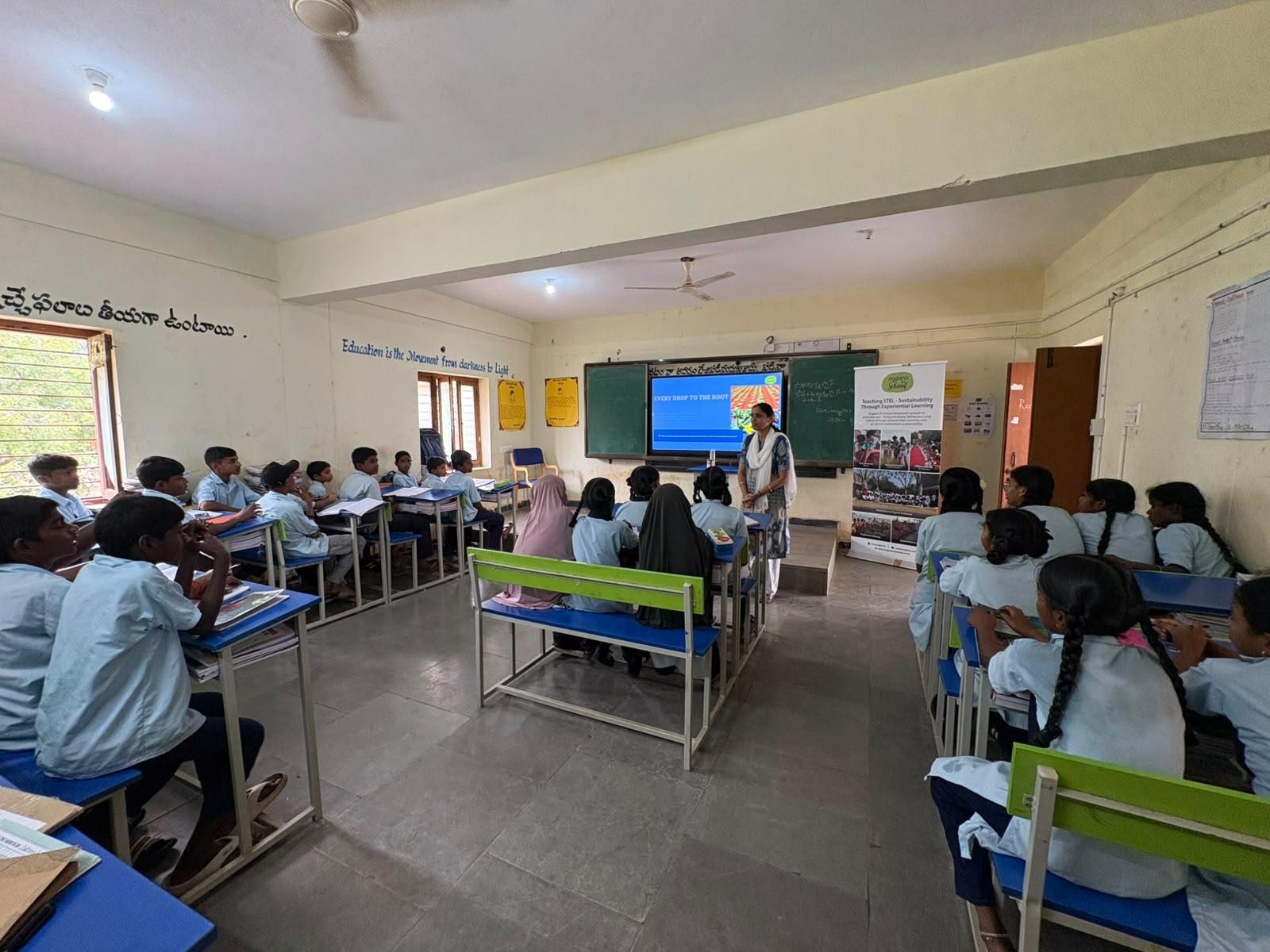
Kalyani S from Organo Et School began with that question when she met 28 students of 6th to 8th grade at ZPHS Kowkuntla on 4th November 2026. It sounds like a simple question. Most of us have never really had to answer it.
The students were quick to share their answers. “We get it from the borewell, ma’am,” said one. “From the water tank, ma’am,” added another. Others pointed to the village pond and the dam.
Through their responses, the class began tracing the journey of water backwards – from the taps in their homes to the borewells, storage tanks, ponds and dams that supply it. It was a simple yet meaningful way to help them understand where their water comes from and the importance of protecting these sources.
The Quiet Moment
Then asked students what would happen if that journey stopped. What if the pond dried up completely? What if there was no water left underground for the borewell to pull up? There would be no water at home at all.
The room went silent for a while.
It was a thought-provoking realization, even for adults. Every source the students had mentioned depended on water being available, something they had perhaps never imagined could run out. As the discussion progressed, their responses began to change. “Water is very important. Without it, we cannot survive,” they said.
This understanding came not from being told, but from connecting the dots themselves. Sometimes, the most meaningful learning happens in these quiet moments of discovery.
Following the Water to the Field
Pipes, borewells and ponds don't only fill our homes. In most villages, they also water the fields that grow our food.
That matters more than most of us realise. In India, around 80 per cent of water goes into farming. So the way a field is watered decides how much is left in the pond and under the ground for everything else.
The students were introduced to three different methods of watering crops.
• Flood irrigation fills the whole field with water. Much of it soaks away or dries up before the roots can use it. Only about 35 to 40 per cent of it is actually used by the crop.
• Sprinkler irrigation sprays water through the air like rain. It uses less than flooding, but on a hot or windy day a good share drifts away or dries up before it reaches the soil.
• Drip irrigation carries water through thin pipes and releases it, drop by drop, at the base of each plant. More than 90 per cent of it reaches the crop.
When compared, the differences became clear. Flood irrigation uses large amounts of water across the entire field, while drip irrigation delivers water directly to the roots, drop by drop. This reduces wastage, keeps the soil moist around the plants and lowers the amount of water drawn from sources such as ponds and borewells.
A Field in Their Hands
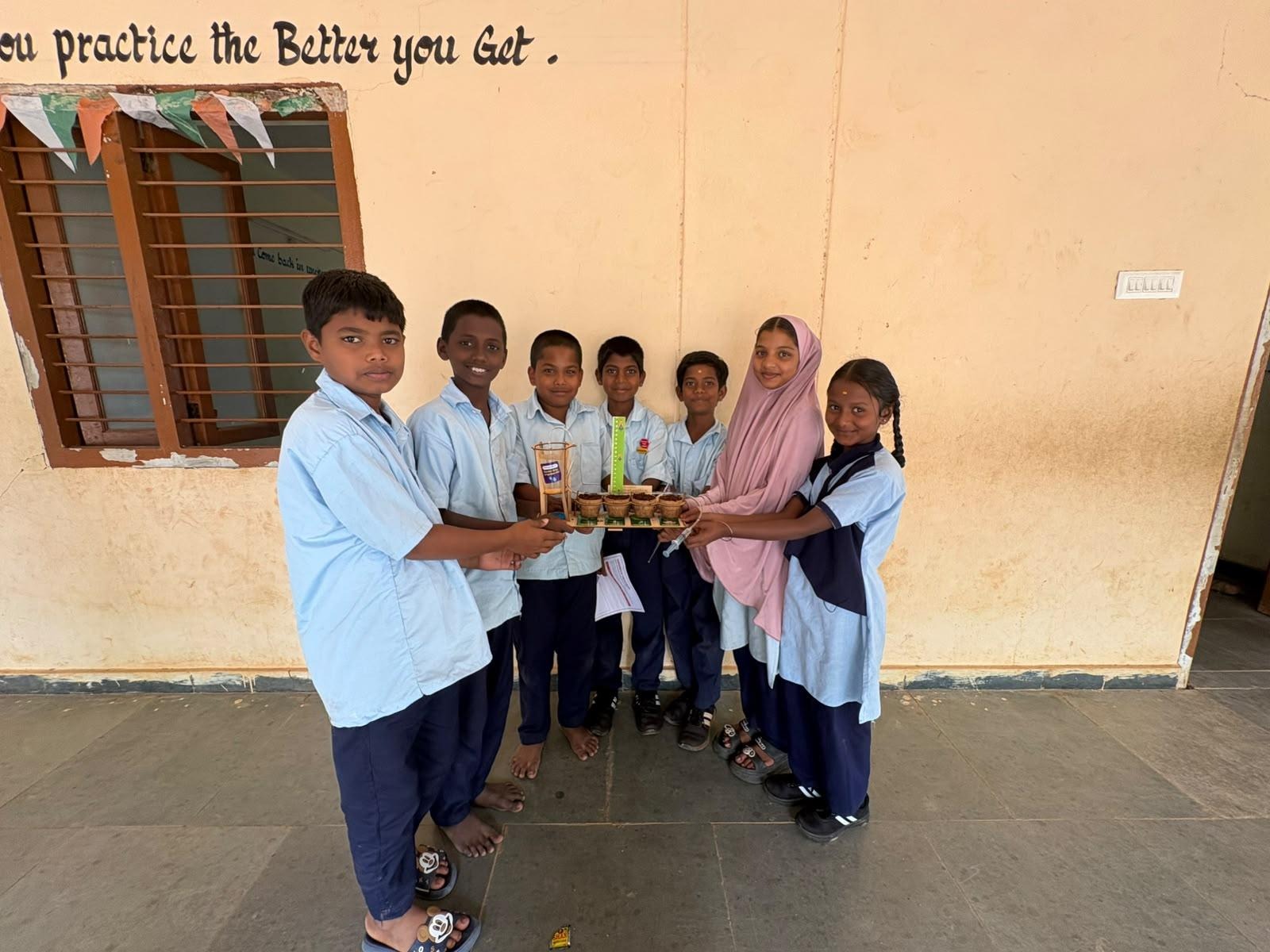
The students then got hands-on experience with miniature drip irrigation kits, each comprising a water container, a thin tube and a small outlet that releases water drop by drop. As they assembled the kits, they observed how gravity helps deliver water directly to the plant roots.
The kits will stay with the students for a month-long experiment. Having sown seeds, they will track plant growth using a growth tracker sheet and monitor water use at home through a water challenge sheet, connecting classroom learning with everyday practices.
What Stays After
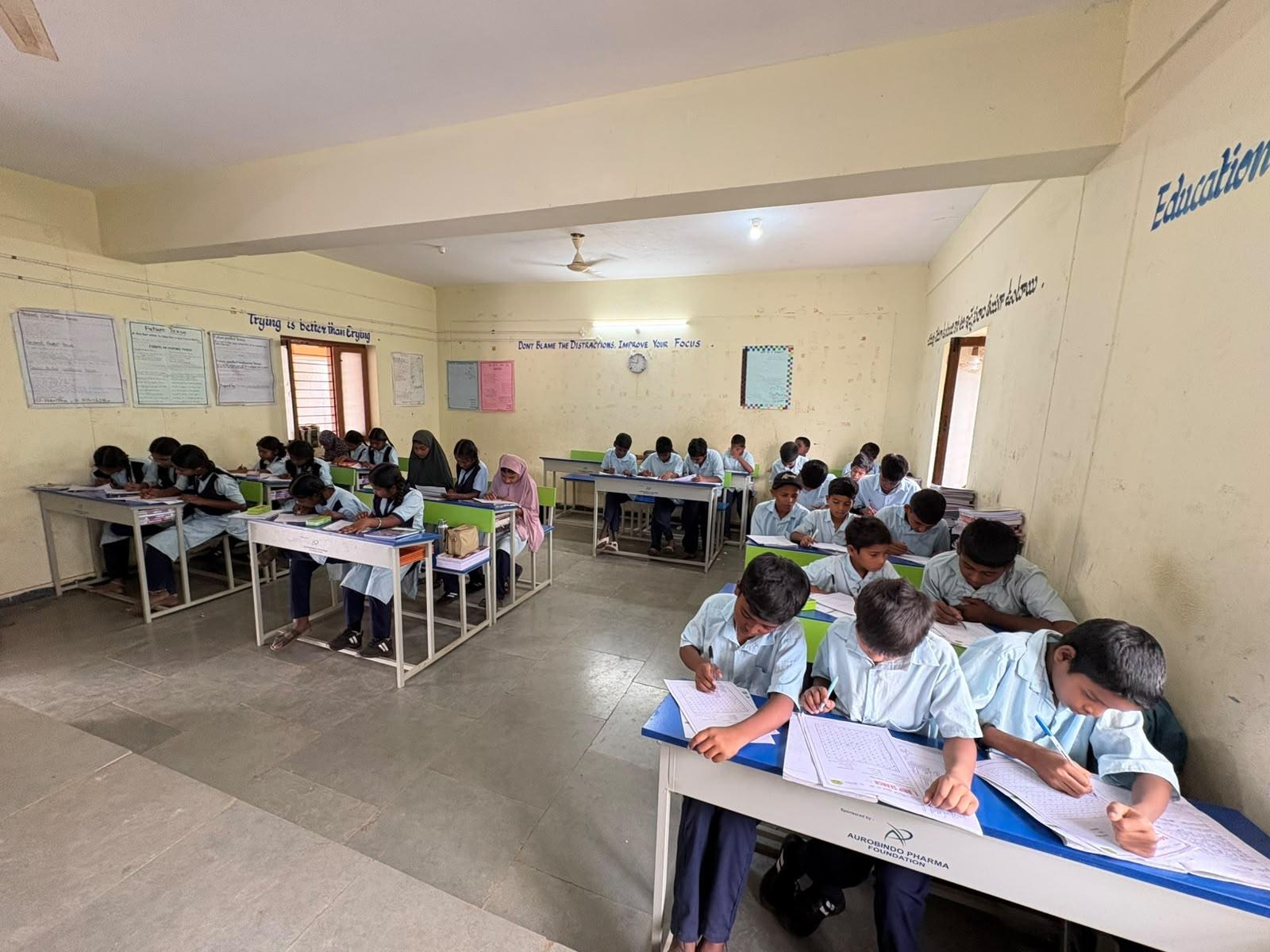
The session began by exploring familiar water sources such as borewells, ponds and storage tanks. It concluded with students gaining a better understanding of where water comes from, how it reaches their homes and why these sources need to be conserved.
The key takeaway was simple: water is not unlimited, and every drop matters. Through a small drip irrigation kit and a month-long experiment, students will learn how simple choices can make a difference.
Ultimately, the lesson extended beyond the classroom – encouraging every child to think about how they use water and what they can do to save it.
.jpeg&&description=Behind Every Tap: ZPHS Kowkuntla Students Trace Where Their Water Comes From)